
Categories
Home Sellers, Baltimore Real Estate, Seller Tips, Home RenovationPublished September 28, 2026
Should You Make Repairs Before Selling in Baltimore?

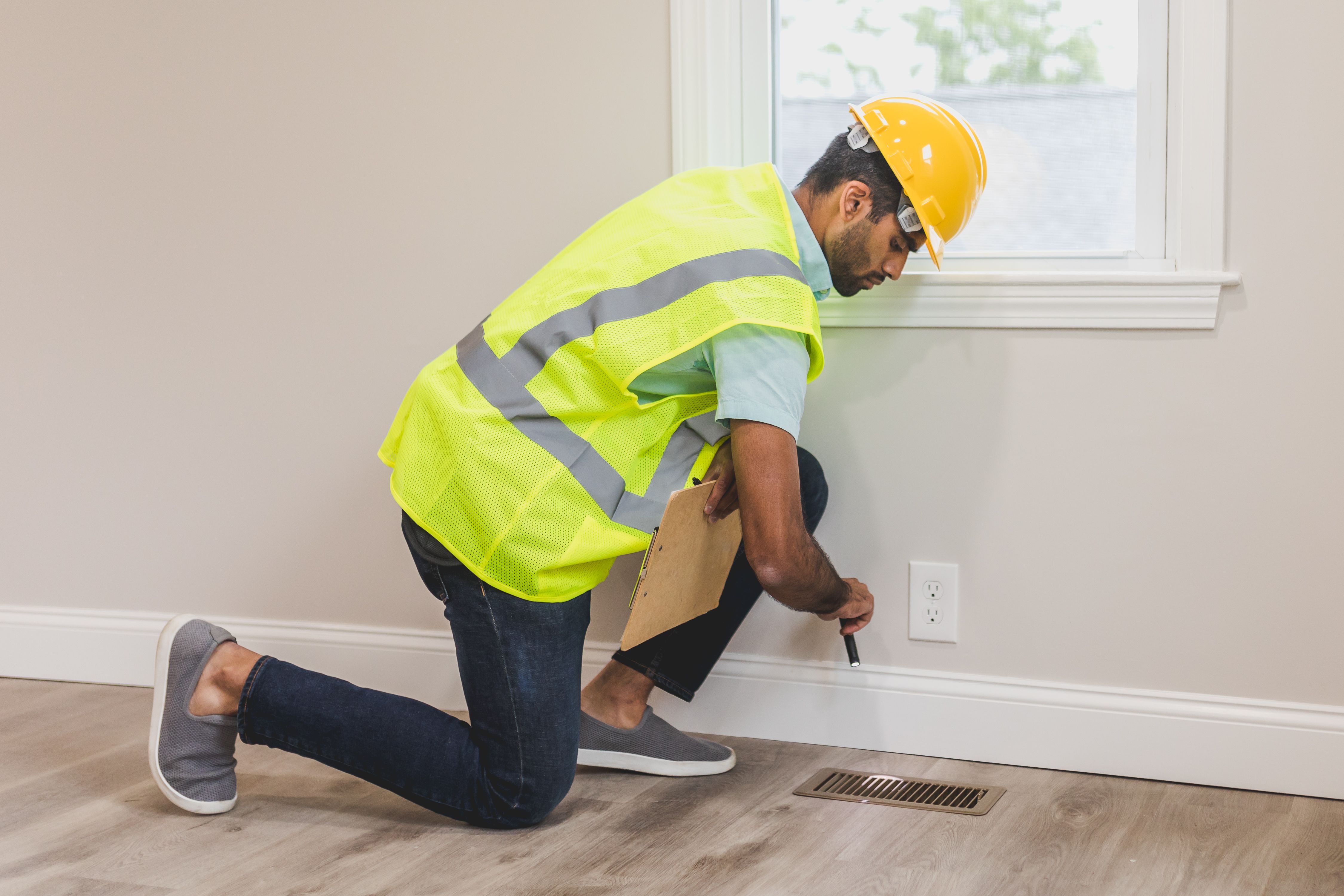
Making the right repairs before selling typically adds 2–3% to your sale price. Skipping them costs about 14% — roughly six times more than you'd gain by doing the work. The real question isn't "should I fix it?" It's "which buyer am I selling to?"
Prefer to watch? Ben breaks this down on video — watch here, or keep reading for the numbers.
There are two very different buyers out there, and they want opposite things from you. One pays a little more for a home that's done. The other wants a discount for one that isn't. The trouble starts when sellers try to please both — doing half the repairs, pricing it like it's finished, and ending up with a house that just sits.
What the numbers actually show
Zillow analyzed more than 2 million 2025 listings against the words used to describe them. The results:
- "Turnkey" homes sold for 2.9% more than expected.
- "Remodeled" homes sold for 2.2% more than expected.
- "Fixer-upper" homes sold for 14% less than expected.
Finishing the work earns a modest bump. Skipping it costs roughly six times more than that bump is worth. The right repairs can genuinely add 2–3% to your sale price — but that doesn't mean fixing everything. It means fixing what matters for your home and price point.
Source: Zillow Research, "Home Features That Sell for More" (2026), published March 24, 2026
Is it better to sell as-is or fix up first?
- 62% of buyers purchased a move-in ready home; only 28.1% bought a fixer-upper
- Of those fixer-upper buyers, more than 88% say they'd do something differently next time, and more than 1 in 5 would skip it entirely given a second chance
Selling as-is reaches a smaller pool and typically lands around 14% below expected value. Fixing up first reaches the larger pool and tends to sell for 2–3% more. Why the gap? When affordability is tight, buyers don't want another expensive project waiting for them after closing. A finished home gets financed over 30 years. A renovation doesn't.
Source: Hippo Insurance, "Is Your Fixer-Upper a Mistake? 1 in 5 U.S. Homeowners Said Yes," published November 27, 2025
Will skipped repairs show up at inspection?
Usually, yes. Skipping a repair doesn't make it disappear — it just shows up later, at your home inspection. And by then, you're negotiating from the buyer's side of the table, not yours. It's already happening more than sellers expect: 46.2% of sellers who closed in May 2026 made a concession — the highest share Redfin has on record for that month, and about seven points higher than sellers predicted going in. For more on what shows up at closing, see What Does It Cost to Sell a Home in Baltimore in 2026?
Source: Redfin analysis, "46% of Home Sellers Gave Concessions to Buyers in May, the Highest Share on Record For That Month," published June 22, 2026
What this looks like on a Baltimore rowhome
On a recent Baltimore sale, the inspection turned up a lack of insulation — less a defect, more an upgrade opportunity. Instead of pushing for a repair credit or a price reduction, we pointed the buyer to a program through the local utility company that offers a tax credit for doing the insulation upgrade themselves after closing. They preferred that route — it let them handle the work on their own timeline and save money long-term, rather than turning it into a back-and-forth negotiation.
Not every repair item needs to become a fight over who pays. Sometimes the better move is connecting the buyer to a resource that makes the fix worth doing on their own.
So, what should you do?
Before spending a dollar, figure out which buyer you're selling to:
- Targeting the move-in ready buyer? Focus on the repairs that matter most for your home and price point — not everything.
- Comfortable selling as-is? That's a real strategy too, as long as you price and market it that way from day one.
What doesn't work is landing in the middle.
FAQs
Do repairs actually pay for themselves before selling?
The right ones do — turnkey and remodeled homes sold 2.2–2.9% above expected value in Zillow's 2026 analysis. But skipping needed repairs cost sellers 14% below expected value, a much bigger downside than the upside from fixing everything.
Is it better to sell as-is or renovate first?
It depends on your buyer pool. Move-in ready buyers outnumber fixer-upper buyers roughly 2 to 1, so renovating first reaches a bigger market. Selling as-is is still a legitimate strategy — it just means pricing and marketing for a smaller, more discount-focused pool from day one.
What happens if I skip repairs and hope no one notices?
It usually shows up at inspection instead, and by then you're negotiating from the buyer's side of the table. Sellers gave concessions in 44.7%–46.2% of recent closings — often for exactly this reason.
What repair issues come up most in Baltimore rowhomes specifically?
Roofing and basement water intrusion are the two most common repair categories in Baltimore's older housing stock, followed by outdated electrical systems. A full roof replacement typically runs $4,000-$15,000; water intrusion repairs can range from $4,000-$20,000, depending on scope.
Can I get a read on which repairs make sense for my home?
Yes — bring us your address and we'll walk through your home and tell you honestly which direction makes sense, no pressure, just the real numbers.
Ben Garner, Owner, GARNER+CO. 830+ homes sold personally, $310M+ in volume. Top 1% of REALTORS® nationwide by transaction volume (NAR, 2025). Baltimore Magazine Top Agents 2026. Live Baltimore City Expert. MD license #659786. Selling since 2015.
Walk us through your house and we'll tell you honestly which way makes sense — no guessing, just the real numbers. Call or text 443-212-8005.
or another way