
Categories
First Time Homebuyers, Renting vs. BuyingPublished November 10, 2025
Renting vs. Buying: Which Is Right for You?

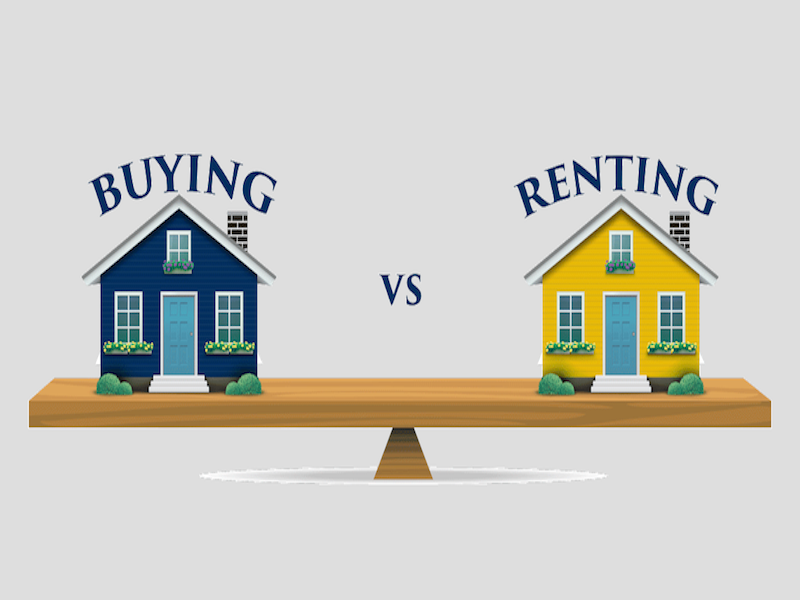
Renting vs. Buying: Which Is Right for You?
When it comes to where you live, one of the biggest financial decisions you’ll ever make is whether to rent or buy your home. It’s a question that blends money, lifestyle, and long-term goals—and there isn’t a one-size-fits-all answer. Understanding the pros and cons of each option can help you make the best choice for your situation.
 The Case for Buying
For many, owning a home represents stability, pride, and the promise of long-term investment growth. Here’s why buying might make sense:
1. Building Equity
Each mortgage payment helps you build ownership in your property. Over time, as your loan balance decreases and your home (hopefully) appreciates in value, you create wealth that renting can’t offer.
2. Predictable Payments
If you choose a fixed-rate mortgage, your monthly payments remain steady over time—unlike rent, which can increase yearly. That stability can be comforting in a world of rising costs.
3. Creative Control
Owning means freedom: paint the walls, remodel the kitchen, plant a garden—no landlord permission needed.
4. Tax Benefits
Depending on where you live, homeowners can often deduct mortgage interest and property taxes, which can help offset costs.
However, buying also comes with downsides. You’ll need to budget for maintenance, property taxes, insurance, and potential repairs. Plus, the upfront costs—down payment, closing fees, inspections—can be steep.
 The Case for Renting
Renting offers flexibility and freedom—ideal for people in transition or uncertain about where they’ll be in a few years. Here’s why renting might be smarter:
1. Flexibility
Leases are typically short-term, allowing you to move for work, travel, or lifestyle changes without the hassle of selling a home.
2. Lower Upfront Costs
You usually just need a security deposit and the first month’s rent. No down payment or closing costs required.
3. Less Responsibility
If something breaks, call the landlord—no repair bills or weekend DIY projects.
4. Access to Amenities
Many rental communities offer perks like gyms, pools, or security services that would cost much more to own privately.
Of course, renting has drawbacks too. You’re not building equity, and rent can rise with inflation. You also have limited control over your living space and are subject to your landlord’s rules.
 The Financial Equation
A common rule of thumb: if you plan to stay in a home for five or more years, buying often makes financial sense because it gives your investment time to grow and spread out the transaction costs. If your life is in flux—career moves, relationships, or you’re still building savings—renting keeps you flexible and financially nimble.
Online “rent vs. buy calculators” can help you compare costs based on your local market, taxes, and how long you plan to stay.
 Bottom Line
Buying is about long-term stability and investment.
Renting is about flexibility and simplicity.
Neither is “better”—it depends on your goals, finances, and lifestyle. The best choice is the one that supports your broader life plans, not just your housing preferences.
Tip: Ask Yourself These Questions
- How long do I plan to stay in one place?
- Do I have an emergency fund beyond my housing budget?
- Am I ready for the responsibility of maintenance and repairs?
- How stable is my income and job situation?
Answering these honestly will point you toward the best fit—today and for your future
or another way